
BUYER RESOURCES
What Will Outdoor Furniture Cost After It Arrives?
Review cleaning, handling, storage, replacement parts and receiving costs when choosing outdoor furniture for a hospitality or trade order.
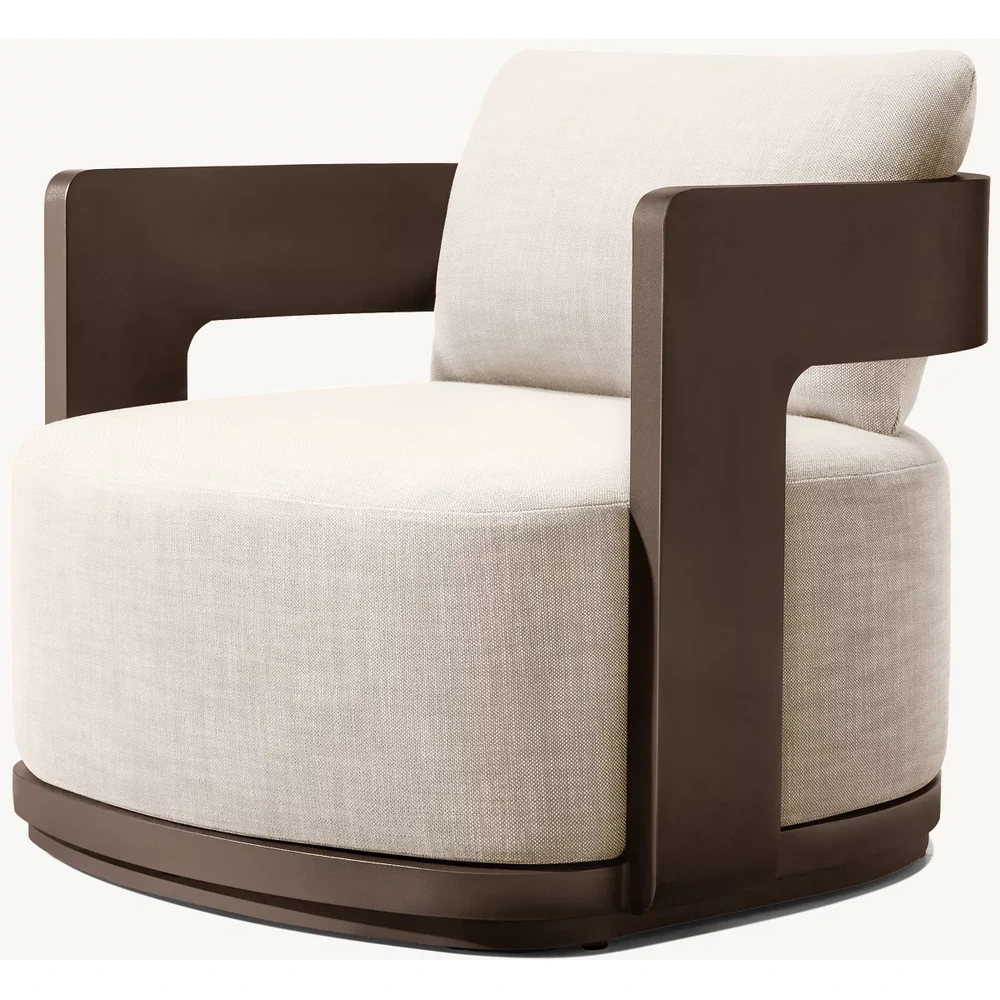
The purchase price is visible on a quotation. The work that follows can be harder to see: receiving the shipment, assembling furniture, cleaning cushions, moving pieces into storage and finding replacements later. For a project or resale collection, asking about these tasks early can reveal whether a product fits the way it will actually be used.
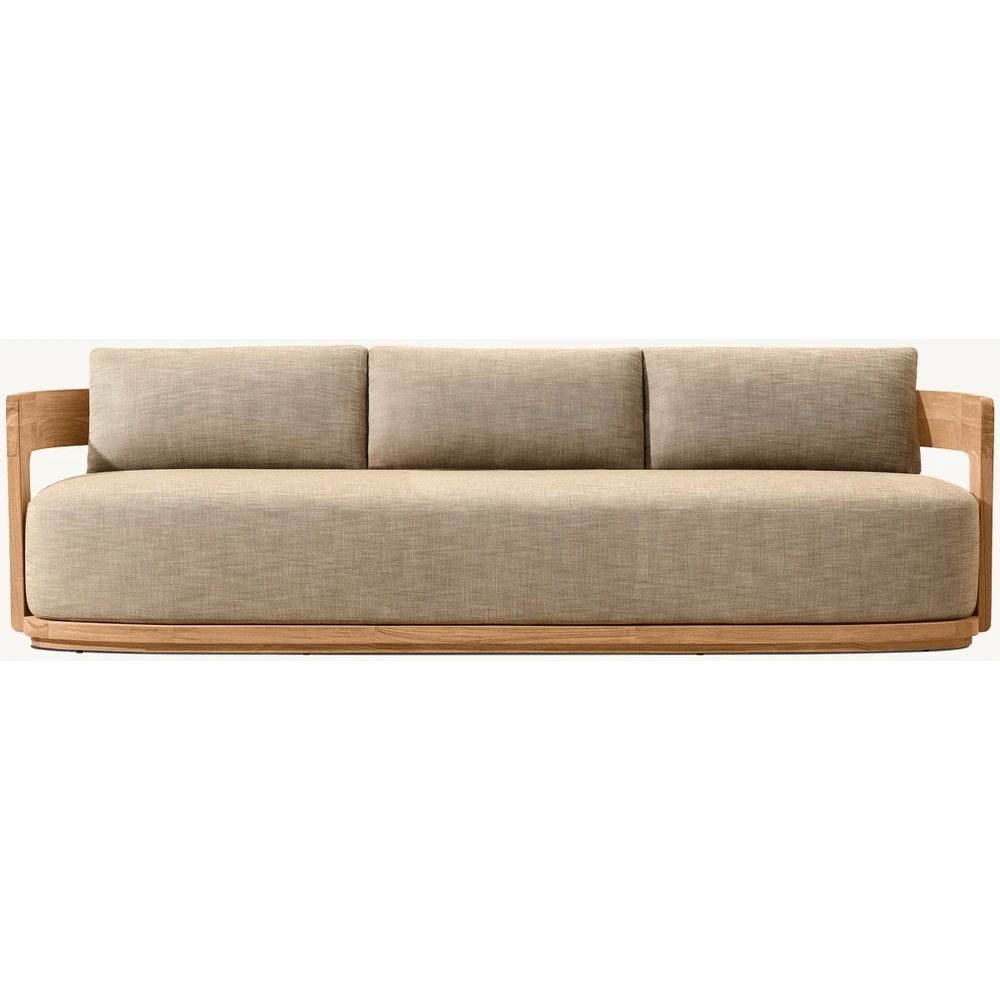
Begin with the operating routine
Describe where the furniture will sit, how often it will be used and who will maintain it. Note whether staff move it daily, whether storage is available and which cleaning products are used. Share coastal or poolside exposure and any other relevant site conditions with the supplier. Select against the exact model and its documented care requirements rather than assuming every outdoor product needs the same routine.
Check how the product will be handled
Ask for dimensions and weights relevant to the receiving and operating teams. Confirm whether the exact model is designed to stack, whether it needs assembly and what space the packages require. Do not infer these features from a similar-looking product. Walk through delivery access and planned storage with the site team before committing to quantities.
Review cushions as a separate decision
Cushions introduce their own questions: what is supplied, whether covers are removable, how the specified fabric and filling should be cleaned, and what storage or drying arrangements are needed. Ask for care instructions for the actual configuration. An outdoor designation does not establish a particular drying time, waterproof rating or cleaning method. Use the confirmed specification to plan the work.
Discuss replacements before they are needed
If replacement covers, cushions or parts matter to your operation, raise them in the initial quotation. Ask whether they can be purchased separately and confirm references and order conditions. Keep the approved model and configuration records so future inquiries can identify what was supplied. Future availability, colour consistency and minimum quantities need confirmation at the time of supply unless separately agreed.
Compare costs using your own inputs
Prepare a simple worksheet with purchase price, delivery and receiving costs, assembly, expected cleaning labour, storage and any planned spare items. Use your team's estimates and supplier-confirmed figures; mark unknown amounts as open. Compare alternatives over the same chosen planning period without assuming an unsupported product lifespan or replacement rate.
This approach may lead you to different priorities: easier handling for one setting, a specific appearance for another, or a clearer replacement arrangement for a third. Share those priorities with Lily when discussing LiYoung products, and ask for the model-specific information needed to evaluate them.